
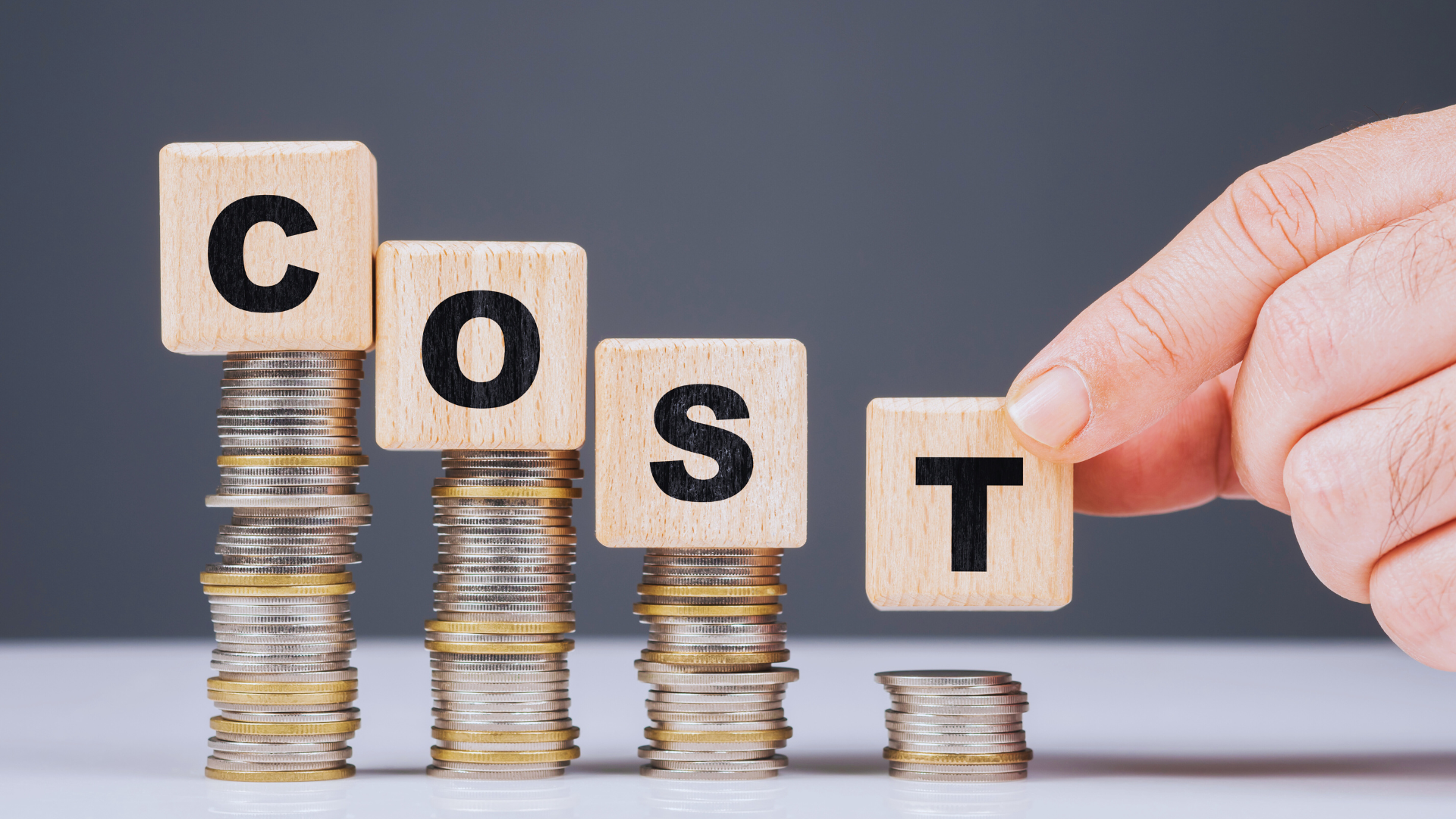
Finding ways to reduce everyday expenses can significantly impact financial goals. Implementing small changes can lead to substantial savings over time. People often overlook routine spending habits that, when adjusted, can free up cash for important objectives like saving for a home or retirement.
Budgeting and tracking spending are essential steps in this process. By identifying non-essential expenses, individuals can prioritize their financial commitments and make informed choices. For example, evaluating dining habits or subscription services could reveal areas where savings can be made.
Additionally, exploring discounts, using coupons, and taking advantage of rewards programs are practical strategies. These actions not only lower costs but also instill a proactive approach to managing finances. Forming these habits can lead to a more secure financial future.
Formulating a Strategic Financial Plan
A strategic financial plan is essential for reducing everyday expenses. It involves understanding cash flow, setting financial goals, and maintaining a structured budget. Each component plays a crucial role in effective money management.
Understanding Your Cash Flow
Understanding cash flow is vital for effective financial planning. It requires tracking income and expenses to identify spending patterns. By documenting all sources of income and categorizing expenses, individuals can see where their money goes each month.
To simplify this process, a cash flow statement can be helpful. This statement lists:
- Income Sources: Salary, freelance work, investments.
- Fixed Expenses: Rent, utilities, insurance.
- Variable Expenses: Groceries, entertainment, dining out.
Identifying discretionary spending allows for targeted cuts to save money and improve overall financial health.
Setting Clear Financial Goals
Setting clear financial goals provides direction and motivation for managing money. These goals should be specific, measurable, achievable, relevant, and time-bound (SMART). For example, goals can include saving a specific amount for emergencies or reducing credit card debt by a certain percentage within a year.
Breaking down larger goals into smaller, actionable steps is crucial. This can involve:
- Saving a set amount each month.
- Allocating funds for specific purposes.
- Regularly reviewing progress to stay on track.
Achieving milestones fosters a sense of accomplishment and drives further financial discipline.
The Importance of a Well-Structured Budget
A well-structured budget is the cornerstone of effective budgeting and money management. It serves as a blueprint for spending and saving. Creating a budget requires listing income and categorizing expenses, which can highlight areas to cut costs.
Implementing the 50/30/20 rule can simplify budgeting:
- 50% Needs: Essential expenses like housing and groceries.
- 30% Wants: Discretionary spending.
- 20% Savings: This includes investments and emergency funds.
Regularly tracking spending against the budget ensures adherence and highlights potential adjustments. Adjustments can help in meeting financial goals efficiently. This proactive approach in budgeting leads to significant cost reductions over time.
Smart Ways to Cut Household Expenses
Reducing household expenses can be achieved through careful planning and efficient management. Focusing on utility bills, food costs, and recurring subscriptions offers practical strategies for significant savings. Homeowners often overlook outdoor maintenance when planning their yearly budgets, but neglecting large trees can lead to expensive emergency repairs. Dead or damaged branches pose a serious risk to roofs and power lines during storms. Hence, investing in professional Red Deer tree removal, for instance, can help prevent these costly property damages before they happen. Taking care of these issues early keeps your property safe and protects your wallet from sudden, heavy expenses.
Curbing Utility Bills with Efficiency
One effective method to lower utility bills is by implementing energy-efficient practices:
- Using smart thermostats can optimize heating and cooling, reducing energy consumption.
- Additionally, sealing windows and doors minimizes drafts, improving insulation. Professional residential insulation services can help identify areas where heat escapes or enters the house to help lower those monthly energy bills.
- It’s wise to replace old light bulbs with LEDs, which use up to 80% less energy than traditional bulbs. Regular maintenance of appliances, like cleaning filters in HVAC systems, can also improve efficiency and lower costs.
- Engaging in mindful electricity use, such as turning off lights when not needed, contributes to overall savings.
Minimizing Food Expenses through Meal Planning
Meal planning is a powerful tool for cutting food costs:
- By creating a meal plan for the week, an individual can make targeted grocery lists, reducing impulse purchases.
- Comparing prices at different stores before shopping helps in choosing the best deals.
- Using coupons effectively can further lower grocery expenses. Preparing meals at home rather than dining out saves a considerable amount over time.
- Consider buying in bulk for non-perishable items to reduce costs. The goal is to buy only what is needed, ultimately helping to prevent food waste and unnecessary spending.
Evaluating and Reducing Recurring Subscriptions
Households often overlook subscriptions that accumulate costs:
- Evaluating each subscription—such as streaming services, gym memberships, and cellphone plans—can reveal where cuts can be made.
- Canceling unnecessary subscriptions saves money monthly.
- Consumers should also consider downgrading plans to more affordable options or bundling services for discounts.
- Taking a few moments to assess these recurring expenses may lead to unexpected savings, allowing for better financial management while reducing household expenditure.
Lifestyle Changes for Sustainable Saving
Making mindful adjustments to daily habits can lead to significant savings. By adopting more frugal shopping habits, reducing transportation costs, and avoiding the traps of living paycheck to paycheck, individuals can create a more sustainable financial future.
Adopting Frugal Shopping Habits
Creating a shopping list is a fundamental step to minimize impulse purchases. This strategy helps individuals focus on essential items, avoiding unnecessary expenses.
They can take advantage of discounts and sales, planning purchases around weekly ads to maximize savings. Comparing prices online before buying can also lead to better deals.
Additionally, opting for generic brands instead of name brands can significantly reduce costs without sacrificing quality. Implementing these practices can help him or her stretch their budget further, ultimately saving money each month.
Reducing Transportation Costs
Transportation is a significant expense for many. Utilizing public transportation can significantly lower costs compared to owning and maintaining a vehicle.
Carpooling or using ride-sharing services also presents more affordable alternatives. For those who must drive, implementing fuel-saving habits, like regular vehicle maintenance and combining trips, can lead to reduced fuel costs. Finding a reliable local supplier for gasoline and diesel is another way to manage these vehicle expenses. Many drivers find that purchasing fuel from a trusted family-owned business helps them budget more effectively throughout the year. For instance, regional providers like Plociniak Fuel have consistent pricing and delivery options for various fuel types. This approach allows households to plan their transportation budgets with greater accuracy and avoid sudden price spikes.
Walking or biking for short distances not only saves money but also promotes better health. By evaluating transportation choices, they can effectively cut down on this major expense.
Avoiding the Pitfalls of Living Paycheck to Paycheck
Establishing a budget is crucial for avoiding financial strain. By tracking spending habits, individuals can identify areas to cut back on unnecessary expenses.
Setting aside a small savings amount each month can help build an emergency fund, providing a buffer against unforeseen costs. Engaging in mindful spending allows you to differentiate between needs and wants.
Planning meals can also assist in reducing food waste, contributing to overall savings. Making lifestyle changes that encourage better financial habits sets the foundation for long-term financial security.