
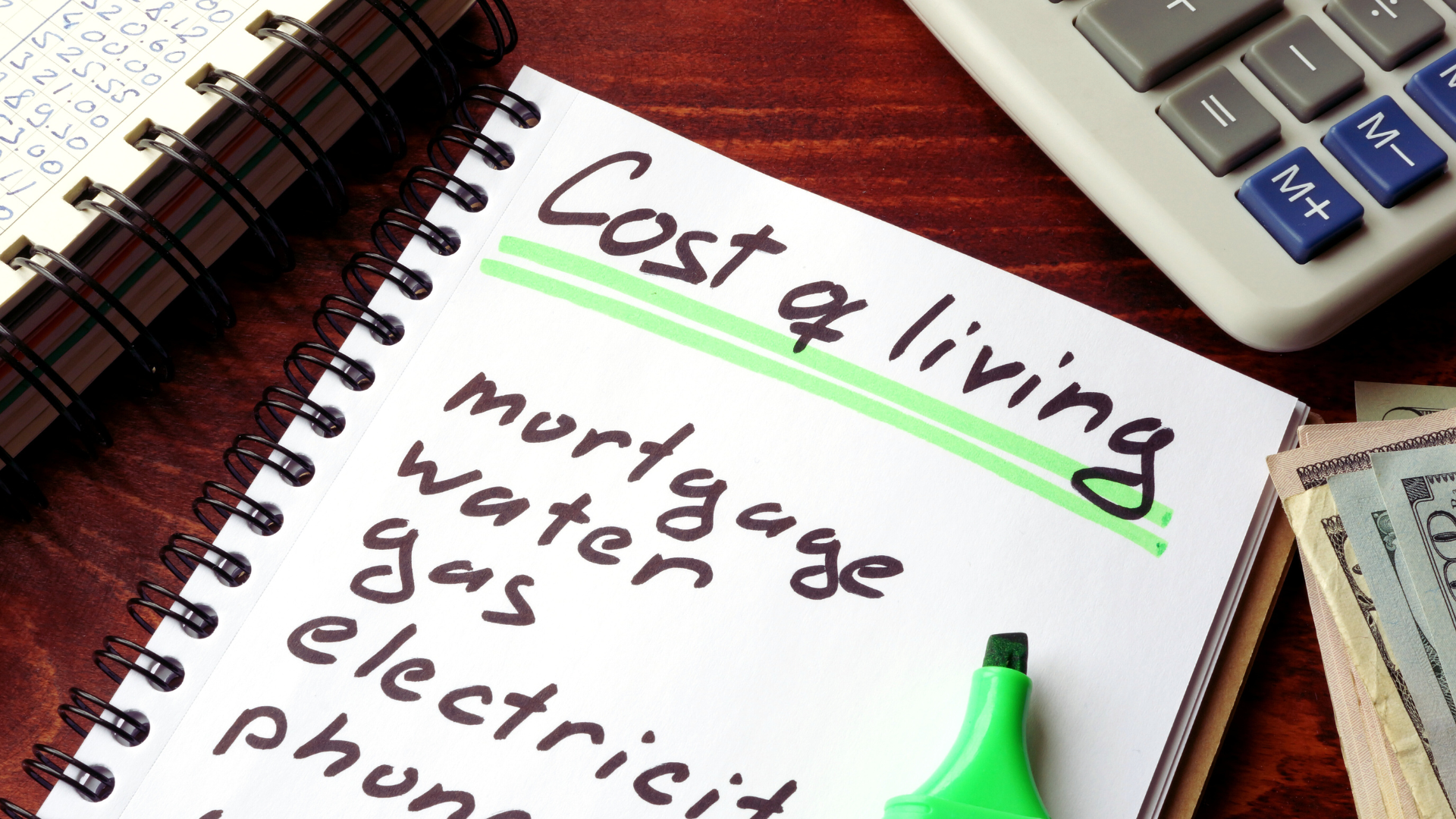
Understanding how to budget for the cost of living is essential to maintaining financial stability. A cost-of-living budgeting guide helps you allocate your income effectively, ensuring your expenses do not exceed your earnings.
Knowing where your money goes each month allows you to adjust your spending habits and prepare for both expected and unexpected costs. This guide breaks down key categories like housing, food, transportation, and utilities to give you a clear framework for managing your finances.
By following a practical budgeting approach, you can reduce financial stress and make informed decisions about saving and spending. This information is designed to help you take control of your money with precise and actionable steps.
Understanding Cost of Living
Cost of living encompasses the expenses necessary to maintain a certain standard of living. It involves various factors like housing, food, transportation, and utilities. These elements directly influence how budgets should be planned.
What Does Cost of Living Means
Cost of living refers to the amount of money required to cover basic expenses such as housing, food, healthcare, and transportation. It represents the price level of goods and services in a specific location at a given time.
This measure is often used to compare the affordability of living between different cities or countries. It accounts for everyday expenses but typically excludes luxury items or discretionary spending.
Why It Matters for Budgeting
Understanding the cost of living is crucial for creating an effective budget. It helps identify how much income is needed to meet essential needs without overspending.
Ignoring the cost of living can lead to underestimating expenses and financial shortfalls. Adjusting budgets to reflect local costs ensures that income covers necessities and allows for saving or discretionary spending.
Regional and Global Variations
Cost of living varies significantly by location due to differences in wages, housing markets, taxes, and consumer prices. For example, urban areas typically have higher housing costs compared to rural regions.
Globally, prices for similar goods and services can differ due to currency values, economic development, and supply chain factors. These variations make it essential to tailor budgets to specific geographic contexts rather than relying on general figures.
Building a Cost of Living Budget
Creating a cost-of-living budget involves understanding your financial position and making targeted decisions to balance income with expenses. This process requires clear assessment, goal setting, and practical spending prioritization.
Assessing Your Income and Expenses
Start by calculating your total monthly income from all sources, including salary, freelance work, investments, and any passive earnings. Use your net income (after taxes and deductions) to get an accurate picture.
Next, list every expense, fixed and variable. Fixed expenses include rent, utilities, insurance, and loan payments. Variable expenses cover groceries, transportation, entertainment, and discretionary spending. Track spending for at least one month to identify patterns.
Create a simple table like this to visualize your cash flow:
| Income | Amount |
| Salary | $X,XXX |
| Other Income | $XXX |
| Fixed Expenses | Amount |
| Rent/Mortgage | $X,XXX |
| Utilities | $XXX |
| Variable Expenses | Amount |
| Groceries | $XXX |
| Transportation | $XXX |
This structure identifies where money is going and highlights areas for adjustment.
Setting Realistic Financial Goals
Define clear, achievable objectives to guide your budget decisions. Short-term goals might include paying off credit card debt or reducing monthly discretionary spending by 10%. Long-term goals can involve saving for emergencies, retirement, or a home purchase.
Goals should be specific, measurable, attainable, relevant, and time-bound (SMART). For example:
- Save $500 emergency fund in six months
- Reduce dining out expenses by 20% within three months
Setting these targets forces focus and helps avoid overspending.
Prioritizing Essential Spending
Essentials cover needs critical to daily living, such as housing, utilities, groceries, healthcare, and transportation. Allocate funds to these categories first to ensure stability.
Use this priority list:
- Housing and utilities
- Food and groceries
- Healthcare and insurance
- Transportation
Non-essential expenses like subscriptions, entertainment, and dining out should only be considered after essentials are covered. Prioritizing essentials minimizes risk during financial strain.
Adjusting for Variable Costs
Variable costs change month to month and require flexible budgeting. Track fluctuations in bills like utilities or fuel and adjust other spending accordingly.
Use an average or allocate a buffer in your budget to cover months with higher costs. For example, if your utility bill varies between $80 and $150, budget $115 monthly and save surplus in low-cost months.
Review and update budgets monthly to respond to economic changes, seasonal costs, or lifestyle shifts, ensuring continued balance between income and expenses.
Major Expense Categories to Monitor
Tracking key spending areas helps maintain control over your budget and identify where adjustments can make the most impact. Prioritizing expenses based on their size and frequency is essential for effective cost management.
Housing and Utilities
Housing is typically the largest monthly expense, often consuming 25-35% of income. Rent or mortgage payments should be tracked carefully, along with property taxes and homeowner’s insurance if applicable.
Utilities include electricity, water, gas, trash, and sometimes internet or cable. These can fluctuate seasonally, so budget for higher usage months. Consider energy-efficient practices to reduce bills, such as using programmable thermostats or energy-saving appliances.
It’s important to review rental agreements or mortgage terms regularly to spot opportunities for savings or refinancing. Monitoring utility usage helps avoid unexpected spikes and keeps expenses predictable.
Food and Groceries
Food expenses vary widely but greatly impact the overall cost of living. Distinguishing between groceries and dining out clarifies spending habits. Groceries generally cost less when planned and bought in bulk.
Tracking weekly grocery bills enables better meal planning, reducing waste and impulse purchases. Using shopping lists and sticking to them can keep costs down.
Dining out is more expensive per meal and should be limited when cutting costs. Meal prepping and using coupons or sales also help control food costs. Focus on nutrient-dense, affordable staples like beans, rice, and seasonal produce.
Transportation and Commuting
Transportation expenses include fuel, public transit fares, vehicle maintenance, insurance, and loan payments. Each can vary significantly depending on location and lifestyle.
Fuel costs depend on commute distance and vehicle efficiency. Monitor mileage and combine errands to save gas. Public transit passes often offer discounts for frequent riders.
Regular car maintenance prevents costly repairs and improves fuel economy. Insurance premiums should be reviewed annually to find better rates. Consider alternatives like carpooling, biking, or working remotely to reduce transportation spending.
Additional Expenses to Consider
Accounting for extra costs beyond basic bills is crucial when budgeting. These expenses can significantly impact your finances and require careful planning.
Healthcare and Insurance
Healthcare costs often extend beyond monthly insurance premiums. Out-of-pocket expenses like copays, deductibles, and prescription medications must be factored in. Consider routine checkups, dental visits, and vision care when estimating annual healthcare costs.
Insurance coverage varies widely. Review your plan’s coverage limits, especially for emergencies or chronic conditions. If you have dependents, add their healthcare needs as well. Health Savings Accounts (HSAs) or Flexible Spending Accounts (FSAs) can help manage medical expenses tax-efficiently.
Education and Childcare
Education costs do not end at tuition. School supplies, uniforms, books, and extracurricular fees add up quickly. For children younger than school age, childcare is a major expense and can vary by location and care type.
If pursuing higher education, include student loan payments or savings contributions in your budget. Financial aid or scholarships may reduce some costs, but should not be assumed in initial calculations.
Entertainment and Leisure
Budgeting for entertainment ensures you maintain balance without overspending. This category includes streaming services, gym memberships, hobbies, dining out, and travel expenses.
Track recurring costs and one-time splurges separately. Set limits based on priority—essential leisure activities versus occasional treats. Using apps to monitor spending in this category helps maintain control without sacrificing enjoyment.
Tools and Resources for Budgeting
Effective budgeting requires practical tools that help track income, expenses, and financial goals precisely. Access to interactive calculators and software enhances control over your budget and helps identify potential savings. Consistent monitoring and analysis of spending habits play a crucial role in maintaining a sustainable cost-of-living plan.
Budgeting Apps and Software
Apps like Mint, YNAB (You Need A Budget), and PocketGuard offer user-friendly interfaces to manage budgets on mobile devices or desktops. They automatically categorize transactions from linked bank accounts, providing real-time spending insights. Features often include bill reminders, goal tracking, and detailed reports that help users adjust their budgets proactively.
For more advanced control, software like Quicken allows importing various financial accounts and generates customizable budget reports. Many apps also provide alerts for overspending and offer syncing options for multiple devices, which helps maintain up-to-date financial tracking.
Sample Cost of Living Calculators
Cost of living calculators compare expenses across cities or regions to help plan relocations or lifestyle changes. Tools like the Numbeo Cost of Living Calculator and NerdWallet’s Cost of Living Calculator break down housing, transportation, food, and healthcare costs by location.
They allow input of current income and expenses to project how your budget would need to adjust in a new area. Some calculators provide detailed comparisons based on family size, income level, and spending habits, helping users make informed decisions when evaluating cost differences.
Tracking and Analyzing Your Spending
Manual tracking can be done with spreadsheets, where expenses are recorded weekly or monthly to identify spending patterns. Regular analysis helps highlight unnecessary or unexpected costs, enabling timely budget adjustments.
Tools like Excel or Google Sheets allow customization using formulas and charts for clearer visualization of cash flow. Combining automated tracking apps with periodic manual reviews offers a comprehensive view, improving accuracy and responsiveness in budgeting decisions.
Strategies for Managing the High Cost of Living
Controlling expenses requires targeted approaches that address both fixed payments and everyday spending. Utilizing local savings and increasing income streams can offset rising costs effectively.
Reducing Fixed Costs
Focus on lowering monthly recurring bills like rent, utilities, insurance, and subscriptions. Negotiate better rates with service providers whenever possible. For example, switch to more affordable internet or cell phone plans that still meet your needs.
Refinance loans or mortgages to secure lower interest rates if available. Consider downsizing living arrangements or relocating to cheaper areas to reduce rent or mortgage payments. Cancel unused subscriptions and memberships to avoid unnecessary charges.
Tracking fixed expenses regularly helps identify opportunities for further savings. Adjusting these bills has a lasting impact on your budget by freeing up funds for other essentials.
Finding Local Discounts
Explore neighborhood deals and community resources to stretch your budget. Many local businesses offer loyalty programs, frequent buyer discounts, or seasonal sales. Joining local social media groups can uncover these offers quickly.
Utilize grocery coupons, farmer’s market discounts, and bulk buying options to reduce food costs. Public libraries and community centers often provide free or low-cost entertainment and educational activities.
Check if you qualify for utility assistance programs or property tax relief offered by local governments. Keeping an eye on these opportunities avoids missing out on benefits that directly reduce living expenses.
Exploring Alternative Income Sources
Boost your finances by identifying secondary income options. Freelancing, part-time jobs, or gig work can generate extra cash to cover growing monthly costs. Choose roles aligning with your skills for higher earnings with less time investment.
Monetize hobbies or assets, such as selling handmade goods or renting spare rooms. Online platforms provide accessible ways to reach customers and maximize income potential.
Invest time in learning new skills that meet market demands, improving chances for better-paying side work. Adding alternative income streams increases financial resilience when the cost of living rises unpredictably.
Reviewing and Updating Your Cost of Living Budget
Regularly reviewing your budget helps ensure your expenses align with your current financial situation. Changes in income, bills, or spending habits require adjustments to keep your budget accurate and useful.
Set a consistent schedule for budget review, such as monthly or quarterly. At each review, check for variations in essential costs like rent, utilities, groceries, and transportation.
Track any unexpected expenses or new financial goals that may affect your budget. For example, a rise in rent or a car repair should be incorporated immediately.
Use this checklist to guide your review:
- Income changes: salary increase or decrease, side income
- Fixed expenses: rent, loan payments, insurance
- Variable expenses: food, utilities, entertainment
- Savings and investments: emergency fund, retirement contributions
Updating your budget can be simple. Adjust the dollar amounts or reallocate funds between categories to reflect your true financial needs. This practice prevents overspending and highlights opportunities for saving.
Documenting changes over time also helps you identify spending trends and make better financial decisions. A well-maintained budget is a dynamic tool, not a static plan.
Long-Term Financial Planning and Cost of Living
Long-term financial planning involves anticipating future expenses and aligning your budget accordingly. This includes factoring in inflation, potential changes in income, and significant life events such as buying a home or retirement.
Create a financial roadmap that includes saving goals, investment plans, and debt management. Regularly review your budget to adjust for changes in the cost of living and personal circumstances.
| Key Factors to Consider | Description |
| Inflation | Rising prices reduce purchasing power over time. |
| Emergency Fund | Covers unexpected expenses without disrupting long-term goals. |
| Retirement Savings | Ensure sufficient funds for living expenses post-retirement. |
Budget for predictable future costs like healthcare, education, and housing improvements. Ignoring these expenses can lead to financial stress later.
Prioritize building a buffer amount beyond your usual monthly expenses to handle fluctuating living costs. Consider automatic contributions to savings or investment accounts to stay consistent.
Long-term planning improves financial security by preparing you for both expected and unexpected changes in living expenses. It helps maintain your standard of living as costs evolve.