
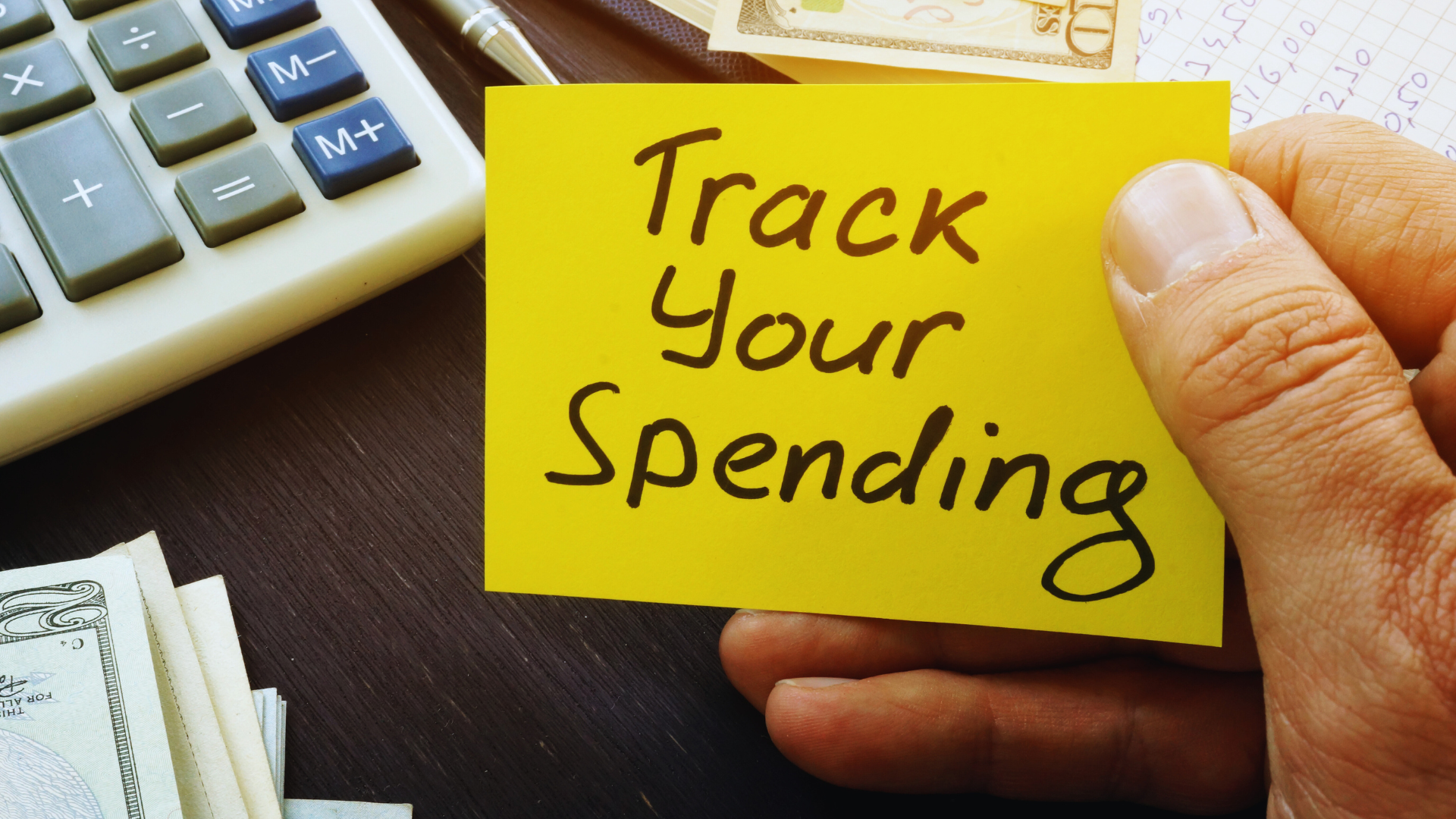
Tracking spending effectively starts with choosing the right method that fits your lifestyle and goals. Using digital tools like budgeting apps or spreadsheets gives clear, instant insight into where your money goes. These tools help categorize expenses, set limits, and offer real-time updates.
Another solid way to track spending is by reviewing bank statements regularly and recording purchases manually. This keeps you conscious of your habits and highlights unnecessary expenses without relying on technology.
Consistency matters most in tracking spending. Whether you use apps, paper logs, or a combination, maintaining a routine ensures you stay informed and in control of your finances.
Why Tracking Spending Matters
Tracking spending gives clear insight into where money goes and highlights areas for adjustment. It supports better control over finances, helps avoid errors, and keeps goals realistic. Understanding common issues in expense monitoring prevents wasted effort and overspending.
Benefits of Monitoring Expenses
Monitoring expenses increases awareness of spending habits, making it easier to identify unnecessary costs. It helps avoid overdrafts by aligning spending with available funds. Consistent tracking can reveal patterns, such as frequent small purchases, that add up over time.
Using tools like spreadsheets or apps streamlines this process and provides real-time feedback. Regular reviews build discipline and make budgeting more accurate. Businesses and individuals alike benefit from reduced financial stress and improved savings.
Common Oversights and Pitfalls
Failing to track cash transactions or irregular expenses leads to incomplete data. People often overlook subscription fees or small daily purchases, which cumulatively impact budgets.
Another common pitfall is inconsistent tracking, resulting in inaccurate financial snapshots. Emotional spending can also go unnoticed without a clear record.
To avoid this, include all transaction types and schedule regular expense reviews. Automation with alerts can help maintain consistency and accuracy.
Financial Goals Alignment
Tracking spending directly connects daily choices to long-term objectives like debt repayment or retirement savings. It clarifies whether current habits support or hinder these goals.
By categorizing expenses, one can prioritize necessary spending versus discretionary items. This focus helps allocate funds efficiently toward financial targets.
Adjustments become easier with tracking data, allowing for proactive changes instead of reactive corrections. It ensures every dollar contributes purposefully to financial progress.
Setting Up a Spending Tracker
Effective spending tracking requires a clear structure and defined priorities. Establishing organized categories, selecting an appropriate method, and setting measurable goals are essential steps. These elements work together to provide accurate insights and maintain consistent tracking habits.
Identifying Spending Categories
Start by dividing expenses into meaningful groups like groceries, utilities, entertainment, transportation, and personal care. These categories should reflect how money is commonly spent on a monthly basis. Avoid creating too many categories—limit to 5-10 for easier tracking.
Review bank and credit card statements for typical patterns. Use those patterns to create categories that truly capture spending behavior. This prevents important expenses from being overlooked or lumped into vague “other” buckets.
Choosing a Tracking Method
Select a method that fits daily routines and tech comfort levels. Options include spreadsheet software, dedicated apps (like Mint or YNAB), or manual notebooks. Spreadsheets offer customization but demand regular data input.
Apps automate transactions and categorize expenses, but may require account linking. Manual tracking offers control but can be time-consuming. Consider factors such as data security, accessibility, and notification features when deciding.
Setting Tracking Goals
Establish clear goals to maintain motivation and direction. Examples include limiting dining out to $150 monthly or achieving 10% savings on utility bills. Goals should be specific, measurable, and realistic.
Set both short-term check-ins (weekly or biweekly reviews) and long-term targets (quarterly or yearly spending limits). Adjust goals as necessary based on actual spending patterns and lifestyle changes. Regular goal assessment ensures continued relevance.
Manual Methods for Tracking Spending
Tracking spending manually requires commitment but offers full control and customization. It involves tools that fit personal preferences, from digital files to physical records and cash management systems. These methods help identify spending patterns and maintain budgeting discipline without relying on automated apps.
Spreadsheets for Expense Tracking
Spreadsheets provide a flexible way to record and analyze expenses. Users can categorize transactions by type, date, and amount, then apply formulas to calculate totals and averages automatically.
A typical spreadsheet includes columns such as:
| Date | Description | Category | Amount |
| 01/25/2026 | Grocery Store | Food | $45.60 |
| 01/26/2026 | Gas Station | Transportation | $30.00 |
Spreadsheets allow users to create custom reports and charts for better visualization. They also enable adjustments and corrections without restrictions. Templates are often available online to simplify setup.
Budget Notebooks and Journals
Using a budget notebook is a straightforward approach that requires writing down expenses daily. It encourages mindfulness by making users physically interact with their spending records.
Journals often use sections for income, fixed costs, variable expenses, and savings goals. Users add transactions along with notes to understand the reasons behind purchases. This method is affordable and portable, working well for those who prefer paper over screens.
Consistency is key. Spending just a few minutes each day to log expenses keeps records accurate and helps detect overspending quickly.
Envelope System
The envelope system divides cash into labeled envelopes representing different spending categories. For example, separate envelopes hold money for groceries, entertainment, and transportation.
When the cash in an envelope runs out, spending in that category stops until the next budgeting period. This method physically limits spending to predetermined amounts, reinforcing discipline.
Users can track envelopes manually or note withdrawals in a ledger. It works best for people who want a tactile budgeting method and prefer using cash over cards. The envelope system also helps avoid debt and impulse purchases.
Using Digital Tools and Apps
Digital tools and apps simplify tracking spending by organizing transactions, categorizing expenses, and offering insights. Many provide automation features, while security remains a critical factor to consider.
Top Expense Tracking Apps
Leading apps like Mint, YNAB (You Need A Budget), and PocketGuard dominate the space for tracking spending. Mint offers free budgeting with automatic updates from bank accounts and credit cards. YNAB focuses on zero-based budgeting and encourages proactive money management. PocketGuard simplifies spending limits by showing available funds after setting bills and savings goals.
Besides these, others like Personal Capital combine expense tracking with investment monitoring. Many apps sync across devices and support manual or automatic transaction entry. Choosing an app depends on user preference for budgeting style, interface, and additional features such as debt tracking.
Automated Bank Feeds
Automated bank feeds connect financial accounts directly to apps, updating transactions in real-time or daily. This reduces manual entry and errors, presenting a clear view of spending habits.
Feeds typically cover checking, savings, credit cards, and loan accounts. They classify transactions by categories, but may require occasional manual correction. Users should verify feed accuracy regularly to avoid misinterpretation of data.
Not all banks or accounts support these feeds, and some apps charge fees for this service. Data is encrypted during transfer to protect user information.
Privacy and Security Considerations
Expense tracking apps access sensitive financial data, making privacy paramount. Users should look for apps with strong encryption, multi-factor authentication, and transparent privacy policies.
Review permissions requested by apps before granting account access. Opt for tools compliant with regulations such as GDPR or CCPA to ensure data protection standards.
Consider limiting the amount of financial data shared when possible. Regularly update app credentials and monitor accounts for suspicious activity.
Integrating Tracking with Budgeting
Linking your spending tracking directly to your budget provides clear insights into your financial habits. It helps identify where money is going and allows for timely adjustments based on actual expenses.
Comparing Expenses to Budgets
Regularly comparing your recorded expenses against your set budget categories is critical. Use tools like spreadsheets or budgeting apps to list each category, showing budgeted amounts and actual spending side by side. For example:
| Category | Budgeted | Actual | Difference |
| Groceries | $400 | $450 | +$50 |
| Utilities | $150 | $130 | -$20 |
| Entertainment | $100 | $120 | +$20 |
This comparison highlights over- or under-spending. Monitoring these gaps monthly prevents small expenses from derailing your overall budget. Focus on categories with consistent overruns for better control.
Adjusting the Budget Based on Spending
Budgets should evolve based on spending patterns. If a category consistently exceeds the budget, consider increasing its allocation instead of ignoring the difference. For example, if you spend $500 on groceries monthly but budget $400, raise the budget to better reflect reality.
Conversely, reduce budgets in underused areas to free resources. Always base adjustments on at least three months of data to avoid reacting to one-time spikes. Use a clear tracking system to facilitate these changes and maintain financial accuracy over time.
Reviewing and Analyzing Your Spending Habits
To gain control over your finances, it’s essential to regularly examine your spending behavior. This helps pinpoint recurring expenses and areas where money leaks occur.
Identifying Patterns and Trends
Look for consistent categories where your money goes, such as groceries, dining out, or subscription services. Track these over weeks or months to see if certain expenses spike regularly, like utility bills in winter or increased entertainment spending on weekends.
Use tools like spreadsheets or budgeting apps to visualize trends. For example, charting monthly spending by category can reveal rising costs in specific areas. Recognizing these patterns lets you anticipate expenses and adjust your budget accordingly.
Spotting Wasted Money
Review your spending for unnecessary or avoidable costs. These might include unused subscriptions, impulse buys, or frequent small purchases, such as daily coffee or snacks.
List these expenses and total their monthly cost to understand their impact. For example:
| Expense Type | Monthly Cost | Notes |
| Streaming Services | $30 | One rarely used service |
| Daily Coffee | $90 | Avg. $3 per day, 30 days |
| Impulse Purchases | $50 | Small, unplanned items |
Cutting back on or eliminating wasted money increases savings without drastic lifestyle changes.
Staying Consistent with Your Tracking
Maintaining regular spending tracking requires deliberate actions that fit your daily life. Making it a habit and managing moments of low motivation can help ensure ongoing accuracy in your records.
Setting Reminders and Routines
Using reminders can anchor your tracking to specific times, minimizing forgetfulness. Set alarms on your phone or calendar notifications to check and log expenses right after each purchase or at the end of the day.
Creating a routine linked to existing habits increases success. For example, tracking expenses right after your morning coffee or during your lunch break makes it a natural part of your schedule.
Visual cues like sticky notes or an open app on your phone also prompt you. Consistent times and triggers reduce mental effort and help establish automated tracking behavior.
Overcoming Tracking Fatigue
Tracking spending daily can become repetitive, leading to tracking fatigue. Break the process into small, manageable steps. Focus on quick entries or batch logging to avoid burnout.
Set achievable goals, such as tracking for five minutes a day, before rewarding yourself with a break. If you miss a day, resume immediately instead of skipping longer stretches.
Use apps with simple interfaces or automation features to reduce effort. Pay attention to the reasons behind fatigue; boredom or overwhelm can often be addressed by adjusting your method rather than stopping completely.
Adapting Your System as Your Needs Change
Tracking spending is not a one-time setup; it requires ongoing adjustments based on shifts in income, expenses, and lifestyle. Being flexible allows for more accurate financial insight and better control.
Scaling Up or Down
When your income or spending patterns change, your tracking system should reflect that. For instance, if expenses increase due to a new household member, include additional categories like childcare or groceries to capture these costs accurately.
Conversely, if your expenses decrease, simplify your categories to avoid unnecessary complexity. Consolidating smaller categories into broader ones can reduce time spent managing the system.
Adjust the frequency of tracking as well. Monthly reviews might work when finances are steady, but weekly check-ins could catch overspending sooner during unstable periods.
Incorporating New Tools
Integrating new tools can enhance accuracy and ease of tracking. Mobile apps with bank syncing automate data entry, reducing manual errors. However, ensure the apps you choose align with your privacy preferences and budget.
Spreadsheets remain effective for customized tracking and detailed analysis. Consider combining spreadsheets with apps for backup and flexibility.
Experiment with features like alerts or budgeting templates within these tools to stay proactive. Regularly evaluate which tools meet your current needs and discard those that add friction or confusion.
Common Mistakes and How to Avoid Them
One common mistake is not tracking all expenses. Small purchases add up and can distort your budget if ignored. Always record every transaction, no matter the size.
Another error is relying solely on memory. It’s easy to forget spending details. Use apps or receipts to capture data immediately and avoid inaccuracies.
Ignoring irregular expenses creates surprises in your budget. Plan for annual or occasional costs like insurance or gifts. Adding a separate category for these helps maintain accuracy.
Some people track spending inconsistently. This reduces the effectiveness of the process. Set a specific time daily or weekly to review and update your records.
| Mistake | How to Avoid |
| Forgetting small purchases | Record every expense, no matter the amount |
| Depending on memory | Use digital tools or keep receipts |
| Skipping irregular costs | Budget for one-time or seasonal expenses |
| Inconsistent tracking | Schedule regular tracking sessions |
Avoid overcomplicating your system. Complex methods can discourage tracking. Keep your approach simple and clear to maintain consistency.
Failing to review your spending regularly misses opportunities to adjust habits. Frequent analysis helps identify trends and areas to cut back.