
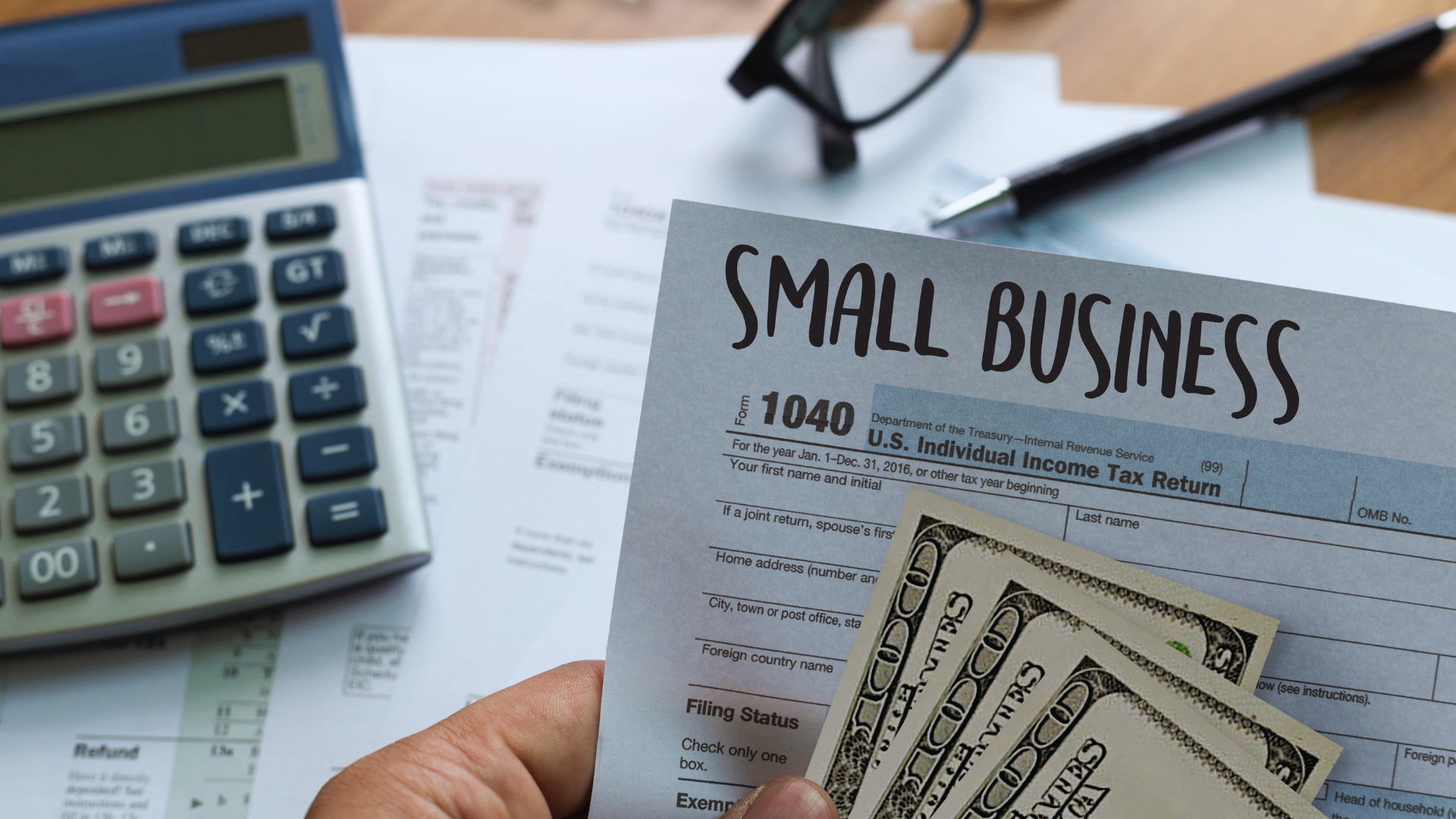
Budgeting is a critical tool for small business owners looking to control expenses and plan for growth. Creating a clear, realistic budget helps you track income and expenses, identify financial gaps, and make informed decisions for your business. Without a budget, it’s difficult to measure performance or set actionable financial goals.
A good budget isn’t just about limiting spending; it provides a framework to prioritize investments and manage cash flow effectively. Understanding where your money is going allows you to avoid surprises and stay prepared for unexpected costs.
This article breaks down essential budgeting strategies tailored for small business owners. Following these steps will bring structure to your finances and increase your chances of long-term success.
Understanding Budgeting for Small Business Owners
Effective budgeting helps small business owners allocate resources, control expenses, and plan for growth. It requires awareness of different budget types and common difficulties that may arise during the process.
Why Budgeting Matters for Small Businesses
Budgeting provides a clear framework for managing cash flow and expenses. It helps businesses prioritize spending, ensuring funds are available for critical operations like payroll and inventory.
Managing these operational costs requires constant attention, especially when it comes to staff wages and tax compliance. Administrative tasks often take up too much time. To save resources and reduce errors, some companies choose outsourcing payroll to external specialists. This shift allows internal teams to focus on core business growth instead of manual data entry. It also keeps overhead costs predictable and manageable.
A well-prepared budget also supports decision-making by forecasting revenue and costs. It can reduce financial uncertainty and improve the ability to respond to market changes or unexpected expenses.
By maintaining a budget, small business owners can track performance against goals and adjust strategies based on financial data. This disciplined approach supports sustainable growth and prevents overspending.
Types of Budgets Used in Small Businesses
Small businesses typically use several budget types: operating budgets, cash flow budgets, and capital budgets.
- Operating budgets focus on revenues and day-to-day operating expenses like rent, salaries, and supplies.
- Cash flow budgets project incoming and outgoing cash to ensure the business avoids shortages.
- Capital budgets plan for long-term investments in assets such as equipment or property.
Choosing the right mix depends on the business size and industry. Each budget type serves a distinct purpose to maintain financial health and support planning.
Common Budgeting Challenges
Small businesses often face accuracy problems due to limited financial data or unpredictable revenues. Estimating future sales and expenses can be difficult when market demand fluctuates.
Another challenge is managing cash flow timing. Even profitable businesses can face short-term cash shortages if receivables and payables are not aligned.
Additionally, owners may struggle with sticking to the budget when unexpected costs arise. Maintaining flexibility and regularly reviewing the budget helps overcome these obstacles.
Setting Up Your Business Budget
Creating a solid budgeting framework requires understanding your income streams, tracking your expenses accurately, and setting financial objectives that guide your decision-making. These steps form the foundation for managing cash flow and ensuring sustainable business growth.
Analyzing Business Income Sources
Start by listing all revenue streams, including product sales, service fees, and any passive income like interest or royalties. Break down each source by frequency and amount, identifying patterns or seasonal fluctuations that impact cash flow.
Consider the reliability of each income source. Some may be consistent monthly, while others are irregular or dependent on external factors like market demand. Calculate the average monthly income to establish a baseline for planning.
Tracking income sources accurately enables better forecasting. Use accounting software or spreadsheets to record transactions as they occur. Regularly reviewing income data highlights opportunities for growth and areas needing improvement.
Identifying and Categorizing Expenses
List all expenses and divide them into fixed and variable costs. Fixed costs include rent, salaries, and insurance. Variable costs fluctuate with business activity, such as inventory, utilities, and marketing.
Further categorize expenses by necessity and discretionary spending. Prioritize essential expenses that maintain operations, and consider reducing or reallocating discretionary costs if needed.
Track expenses monthly to spot trends and prevent overspending. Use categories such as:
| Expense Type | Examples | Frequency |
| Fixed | Rent, salaries, loans | Monthly |
| Variable | Supplies, shipping | Varies |
| Discretionary | Advertising, travel | Occasional |
Regular expense reviews help maintain control and identify saving opportunities.
Establishing Realistic Financial Goals
Set clear, measurable goals linked to your income and expenses analysis. Examples include increasing monthly revenue by 10% or reducing operational costs by 5% within six months.
Define short-term and long-term goals. Short-term goals focus on immediate improvements like cash flow stabilization. Long-term goals target growth areas such as market expansion or new product development.
Use SMART criteria—Specific, Measurable, Achievable, Relevant, Time-bound—to create effective goals. Regularly assess progress and adjust your budget to reflect changes in your business environment.
Effective Budgeting Methods
Small businesses can use multiple budgeting methods to manage finances accurately and adapt to changing conditions. Understanding the key differences and applications can help identify the best fit for a specific business model and financial goals.
Traditional Budgeting vs. Zero-Based Budgeting
Traditional budgeting starts with the previous period’s budget, adjusting figures based on expected changes such as inflation or sales growth. This method is straightforward but risks perpetuating outdated expenses or inefficiencies.
Zero-based budgeting requires building the budget from scratch every cycle. Each expense must be justified, promoting careful resource allocation. This approach helps eliminate unnecessary costs but demands more time and detailed analysis.
| Aspect | Traditional Budgeting | Zero-Based Budgeting |
| Starting Point | Previous budget | Zero, all expenses justified |
| Time Investment | Lower | Higher |
| Cost Control | Moderate | High |
| Best For | Stable businesses | Businesses seeking cost efficiency |
Rolling Budgets for Dynamic Businesses
Rolling budgets continuously update financial plans by adding a new budgeting period as the current one concludes. This approach promotes flexibility, allowing adjustments based on real-time data and market changes.
Businesses with fluctuating revenues benefit from rolling budgets, as they reduce the risk of over- or underestimating future costs. It maintains forecast accuracy and supports short-term strategic decisions.
The process requires consistent monitoring and quick response to financial trends, which can demand dedicated management resources but yields more relevant budgeting outcomes.
Selecting the Right Approach for Your Business
Choosing a budgeting method depends on business size, industry volatility, and management style. Traditional budgeting works well when expenses and revenues are predictable and stable.
If cost control is critical, zero-based budgeting provides rigorous expense scrutiny. Rolling budgets suit companies in rapidly changing markets or with seasonal cash flows, where updated forecasts are vital.
Consider resource availability for budgeting tasks. Time constraints or limited finance staff might favor traditional approaches, while larger teams might handle detailed zero-based and rolling methods effectively.
Tools and Resources for Small Business Budgeting
Managing a small business budget effectively requires the right mix of technology, manual methods, and expert guidance. Choosing suitable tools can save time and reduce errors while providing clear financial oversight.
Top Budgeting Software Options
Popular budgeting software offers automation and real-time data tracking, which simplifies expense management. QuickBooks is widely used for its comprehensive features like invoicing, payroll, and expense categorization. It integrates well with bank accounts and provides detailed financial reports.
Xero is another strong choice, known for its simple interface and cloud-based access. It supports multi-currency transactions, making it useful for businesses dealing internationally. Both QuickBooks and Xero offer mobile apps for on-the-go budget monitoring.
For smaller or newer businesses, Wave provides free accounting and budgeting tools. Although less feature-rich, it handles invoicing and expense tracking well, making it cost-effective for startups with tight budgets.
Spreadsheets and Manual Tracking
Spreadsheets remain a flexible and low-cost option for budgeting. Programs like Microsoft Excel and Google Sheets allow customization of budget categories and forecasting. Templates designed for small business finances can be downloaded to simplify setup.
Manual tracking requires discipline but offers control over every detail. It suits business owners who prefer direct engagement with their numbers without relying on automation. However, manual methods are more prone to human error and time-consuming when scaling.
Spreadsheets are best for those with basic accounting knowledge and can be combined with manual receipts and logs for accuracy. They also allow easy integration of actuals and projections side by side.
Professional Financial Advice
Consulting with a certified accountant or financial advisor can provide tailored budgeting strategies. Experts can identify tax deductions, optimize cash flow, and recommend suitable financial tools based on specific business needs.
Professionals help interpret complex financial data and ensure compliance with regulations, which reduces the risk of overspending or penalties. Their guidance is especially valuable during growth phases or if the business faces cash flow challenges.
Costs for advisory services vary but investing in expert advice often leads to better budget management and resource allocation. Many advisors offer consultations focused exclusively on budgeting plans.
Managing Cash Flow Through Budgeting
Effective cash flow management relies on anticipating changes in income, carefully monitoring expenses, and maintaining financial buffers. By breaking down your finances into predictable and adjustable elements, you gain control over your business’s liquidity and stability.
Forecasting Revenue Fluctuations
Identify seasonal trends and market cycles to predict periods of higher or lower income. Use historical sales data and client payment patterns to create monthly or quarterly revenue forecasts. Factor in planned promotions, contract renewals, or new product launches that might impact cash inflow.
Regularly update forecasts based on actual performance and new information. Create a table like this to track expected revenue versus actual results:
| Month | Forecasted Revenue | Actual Revenue | Deviation (%) |
| January | $15,000 | $14,500 | -3.3% |
| February | $18,000 | $19,200 | +6.7% |
| March | $17,500 | $16,800 | -4.0% |
This practice helps anticipate cash shortages and avoid overdrawing accounts.
Controlling Variable and Fixed Costs
Classify all expenses into fixed costs (rent, insurance) and variable costs (materials, utilities). Fixed costs remain stable regardless of sales volume, while variable costs fluctuate with production levels or business activity.
Monitor variable costs closely to identify areas where spending can be adjusted without compromising product or service quality. Negotiate with suppliers for bulk discounts or delayed payment terms. Create a checklist of fixed and variable expenses and review monthly:
- Fixed Costs: rent, salaries, subscriptions
- Variable Costs: raw materials, shipping, commissions
Controlling costs ensures cash outflow stays aligned with realistic revenue expectations.
Building an Emergency Fund
Set aside 3 to 6 months’ worth of operating expenses in a separate account specifically for unforeseen financial challenges. This reserve acts as a safety net during revenue downturns or unexpected expenses like equipment repairs or regulatory fines.
Contribute regularly, even small amounts, to build the fund over time. Track progress with a simple savings schedule:
| Month | Amount Saved | Total Fund Balance |
| Month 1 | $500 | $500 |
| Month 2 | $500 | $1,000 |
| Month 3 | $750 | $1,750 |
An emergency fund improves cash flow resilience and reduces dependency on credit.
Monitoring and Adjusting Your Budget
Effectively managing your budget requires continuous observation and timely action. This involves precise tracking of spending and income, identifying discrepancies, and making necessary updates to keep finances aligned with your business goals.
Tracking Performance Against Your Budget
Start by recording actual expenses and revenues regularly, ideally using accounting software or spreadsheets. Compare these figures against your budget projections monthly or quarterly.
Focus on key categories such as payroll, inventory costs, and marketing expenses. Tracking helps identify if obligations, like supplier payments or rent, are consistently over or under budget.
Use visual tools like charts or tables to highlight variances and trends. This makes it easier to spot problematic areas quickly and understand how different activities impact your cash flow.
Recognizing and Responding to Financial Variances
Not all variance indicates a problem; some fluctuations are normal. However, significant deviations in revenue or expenses must be examined.
Ask questions like: Was there an unexpected increase in material costs? Did a client delay payment? Document reasons for these changes to inform future budgeting.
When variances persist, adjust your spending or income forecasts accordingly. For example, if marketing costs are higher but sales haven’t increased, consider reallocating funds or negotiating vendor contracts.
Periodic Budget Reviews
Set specific intervals for budget reviews—quarterly or biannually. These sessions should reassess assumptions, update forecasts, and incorporate actual performance data.
Involve key team members to get insights from sales, operations, or finance. This ensures diverse perspectives on your company’s financial health and helps detect overlooked issues.
After review, revise your budget to reflect changes in market conditions or business priorities. Use this process not only to control costs but also to seize new opportunities for growth.
Growth Strategies for Small Businesses
Effective growth requires careful distribution of financial resources across key business areas. Prioritizing expansion, marketing, and internal investments can drive steady and sustainable progress.
Allocating Funds for Expansion
Budgeting for expansion means identifying specific areas where growth will yield the best return. This could include new product lines, additional locations, or increasing production capacity.
Set clear financial limits and timelines before committing funds. Use projections based on past sales data and market research to estimate costs. Reserve contingencies for unexpected expenses.
Track expansion expenses in categories such as:
| Category | Description |
| Equipment | Machinery, tools, or tech |
| Real estate | Rent, purchase, or renovation |
| Inventory | Stock purchases for new products |
This structured approach ensures funds are used efficiently to support measurable growth.
Budgeting for Marketing Initiatives
Marketing budgets should directly support customer acquisition and retention goals. Allocate funds among digital ads, SEO, content creation, and social media based on ROI analysis.
Track marketing spend monthly and compare it to performance metrics like conversion rates and customer engagement. Adjust the budget dynamically to prioritize high-performing channels.
Include a breakdown like this:
- Digital Advertising: 40%
- Content Marketing: 30%
- Social Media Management: 20%
- Events/Promotions: 10%
This focused budgeting improves visibility while controlling costs.
Investing in Team and Technology
Investments in staff and technology are critical for scaling operations efficiently. Allocate budget to training, recruitment, and technology tools that enhance productivity.
Prioritize tools that automate repetitive tasks or improve communication. Budget for ongoing training to keep skills up to date.
Examples of investments:
- Project management software
- Customer relationship management (CRM) systems
- Employee workshops and certifications
Strategic investment strengthens team capabilities and operational efficiency, supporting sustained growth.
Conclusion
Effective budgeting is essential for small business owners to maintain control over their finances. It provides a clear picture of income, expenses, and potential growth opportunities.
Sticking to a well-planned budget helps prevent overspending and ensures resources are available when needed. Regular reviews and adjustments keep the budget aligned with changing business conditions.
Key steps for successful budgeting include:
- Setting realistic financial goals
- Tracking all income and expenses precisely
- Preparing for unexpected costs
Using tools like spreadsheets or budgeting software can simplify the process. Consistency in budgeting supports better decision-making and long-term stability.
Investing time in budgeting pays off by reducing financial stress. Small business owners can then focus on growth and operational efficiency without guessing about their cash flow.